
Global Partner for High-Purity Botanical Extracts
Direct from Xi'an, China. Delivering premium, lab-tested herbal extracts and natural active ingredients for global nutraceutical, cosmetic, and food brands.
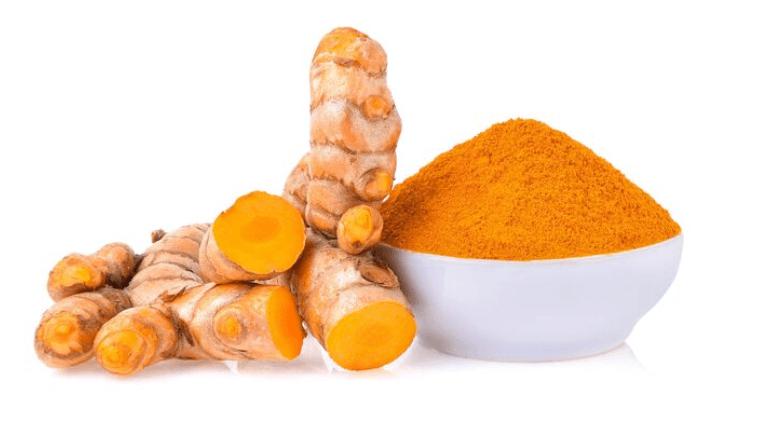
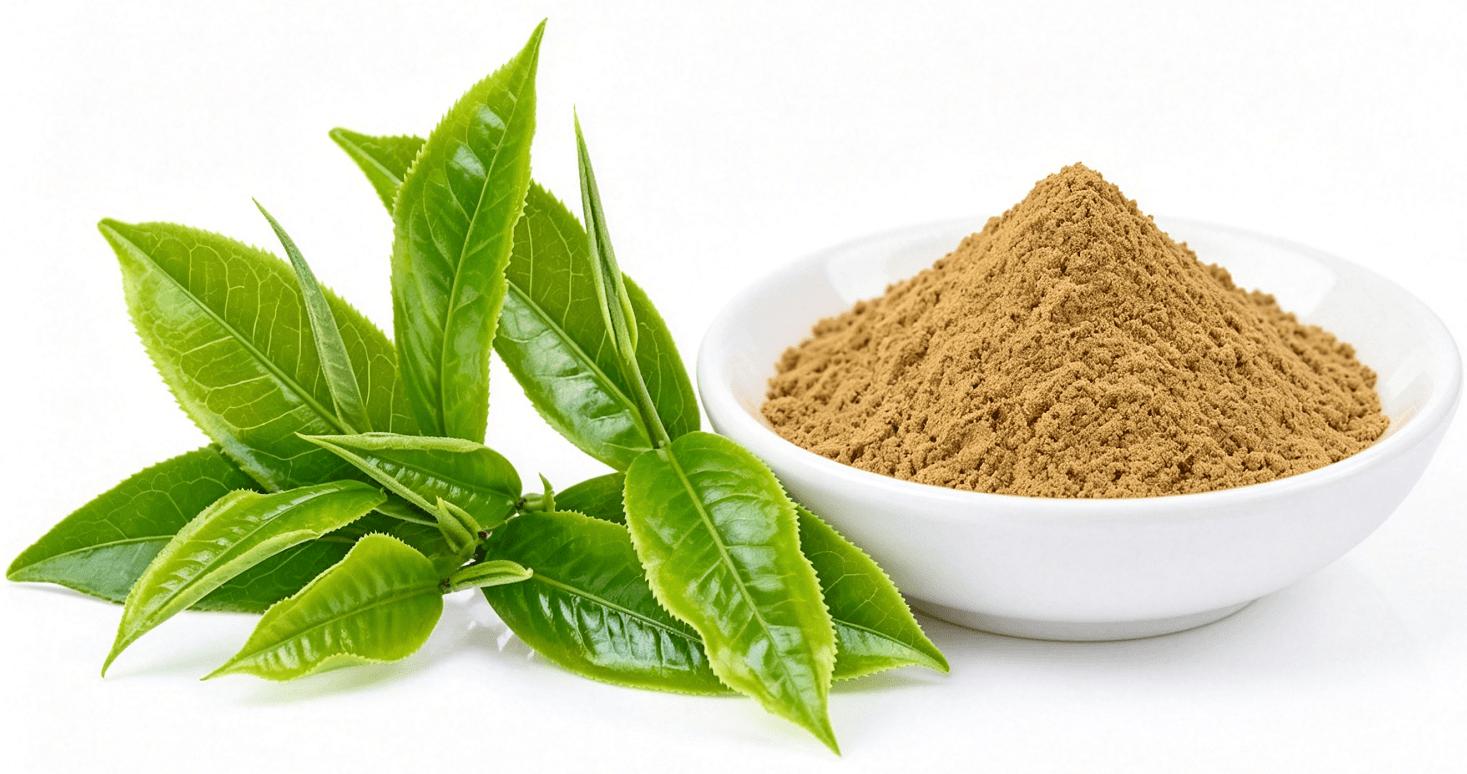
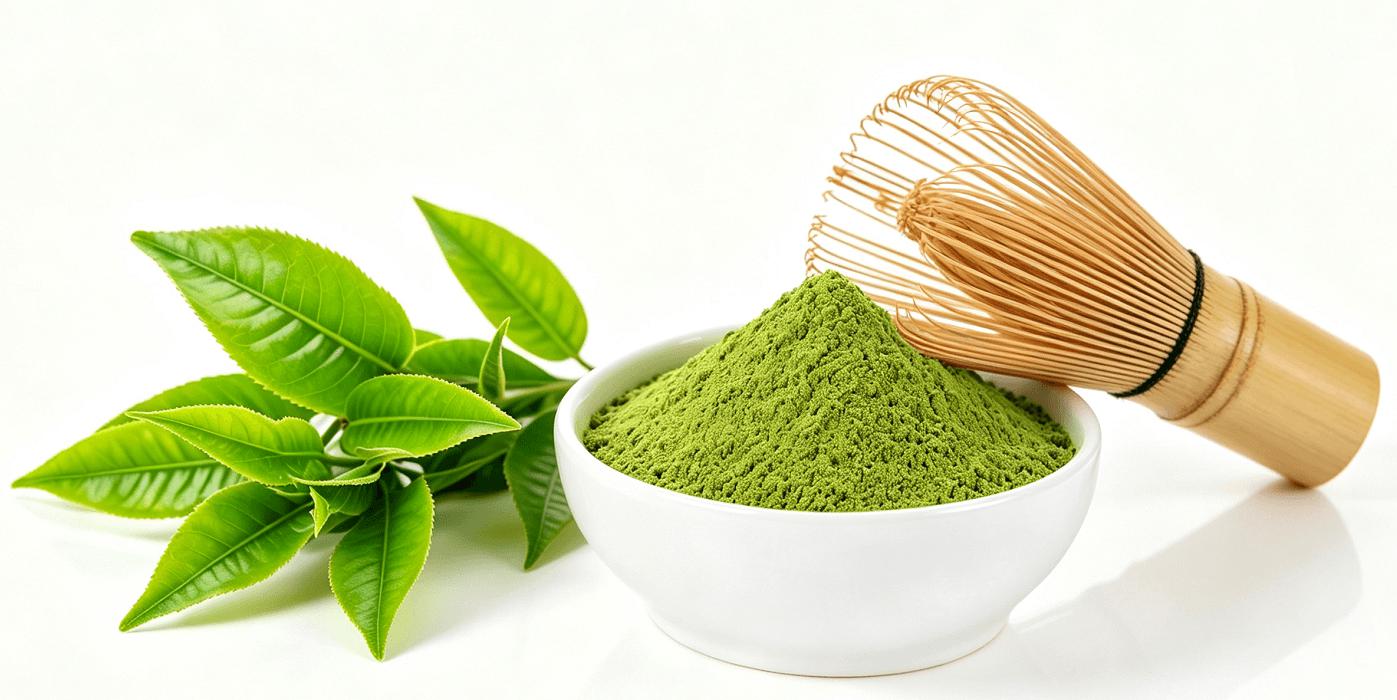
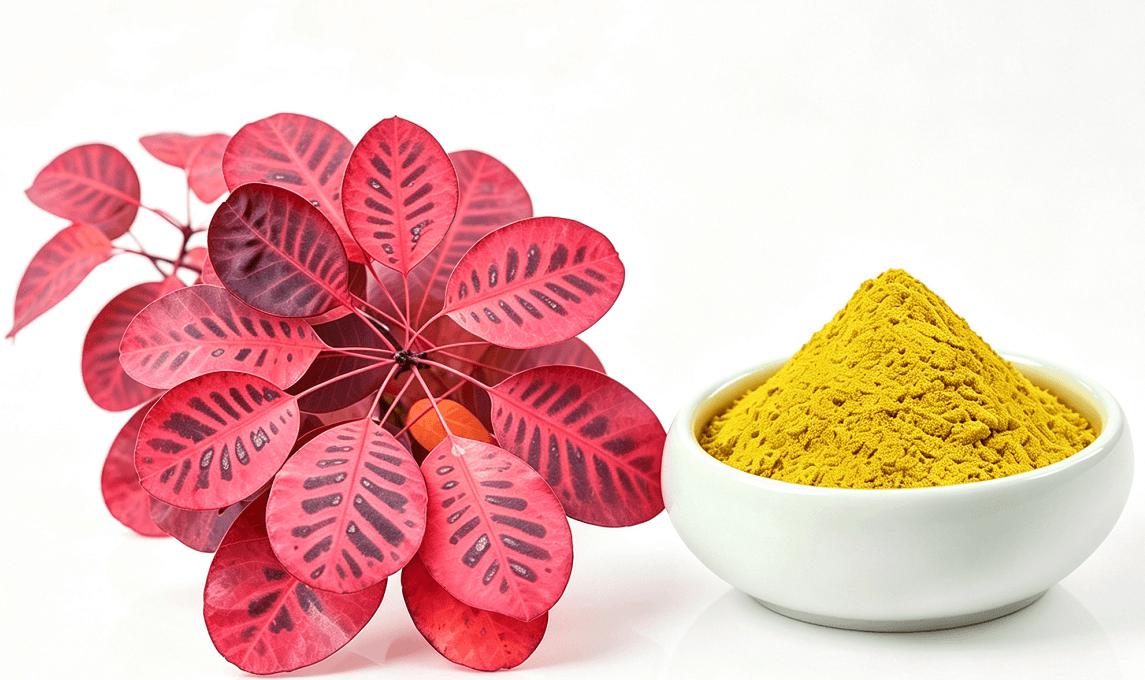
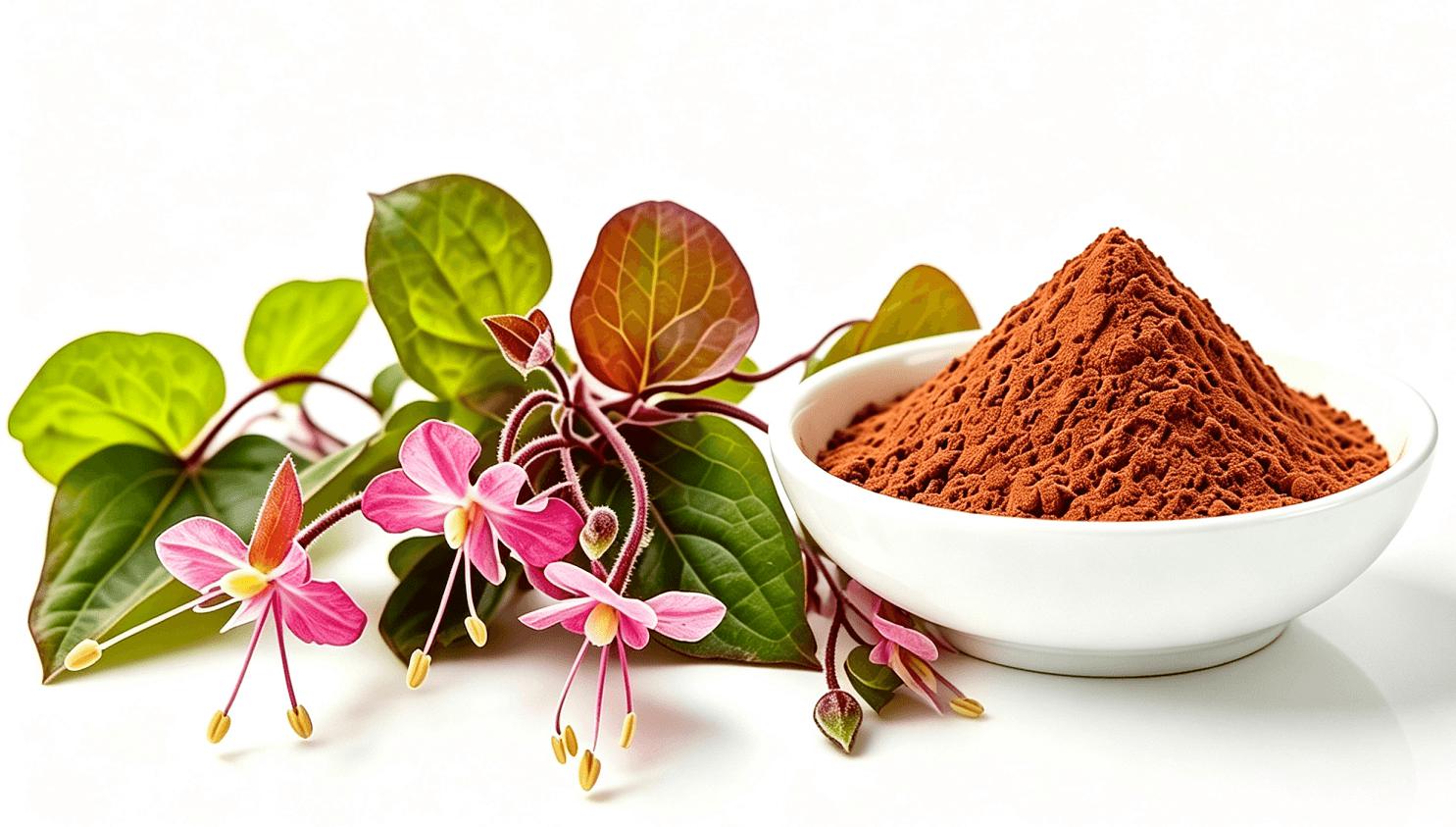
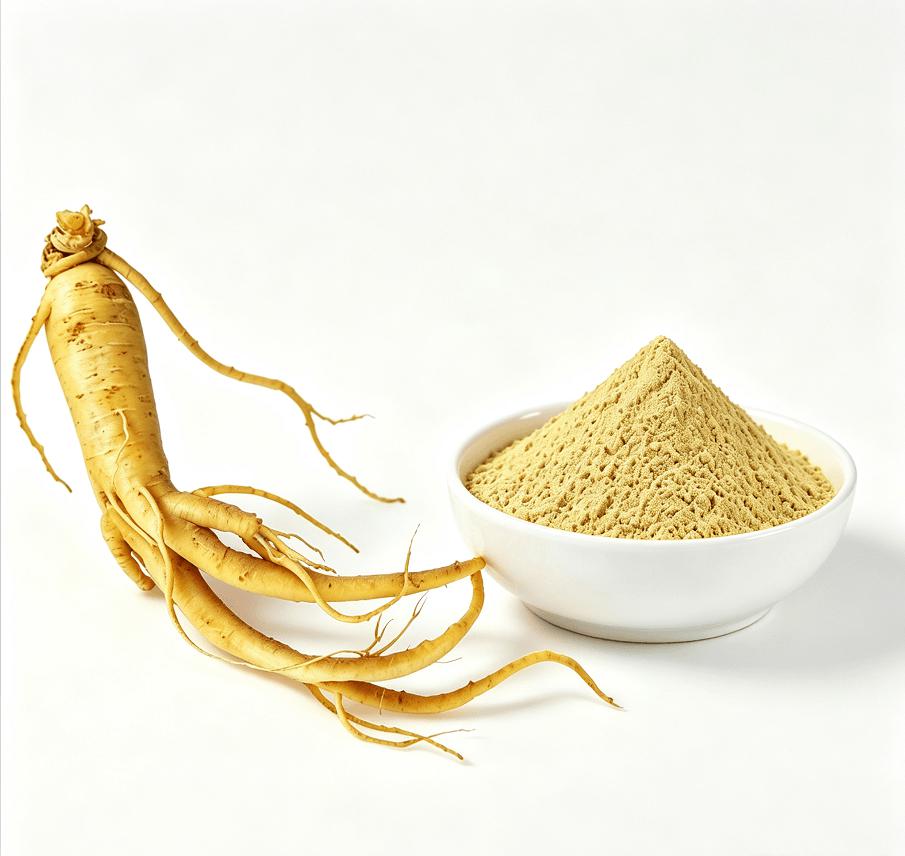
Botanical Extracts for Food and Beverage
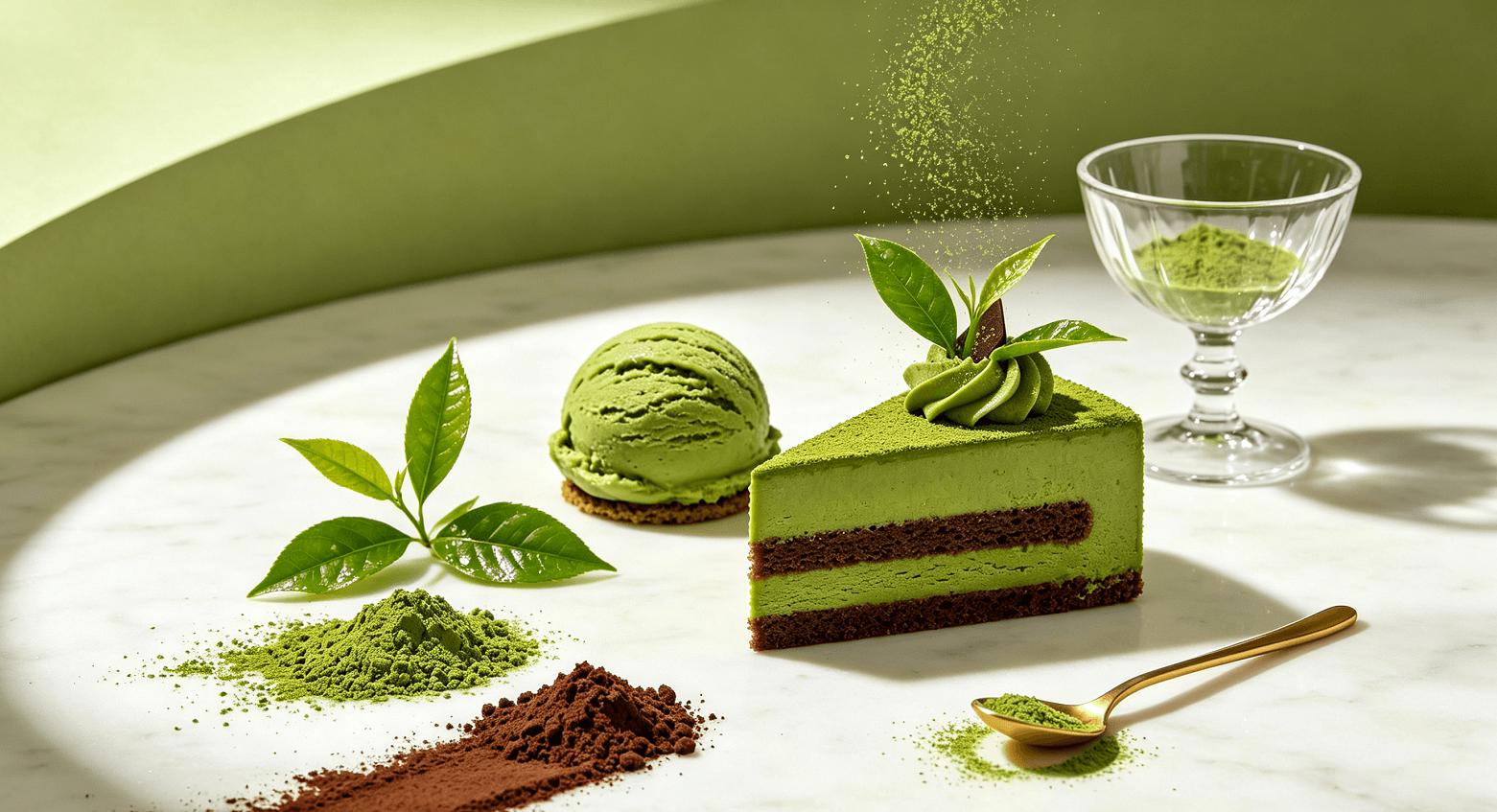
Premium quality plant extracts for natural flavoring, food colorings, and nutritional enrichment designed to meet strict international food safety standards.
Explore More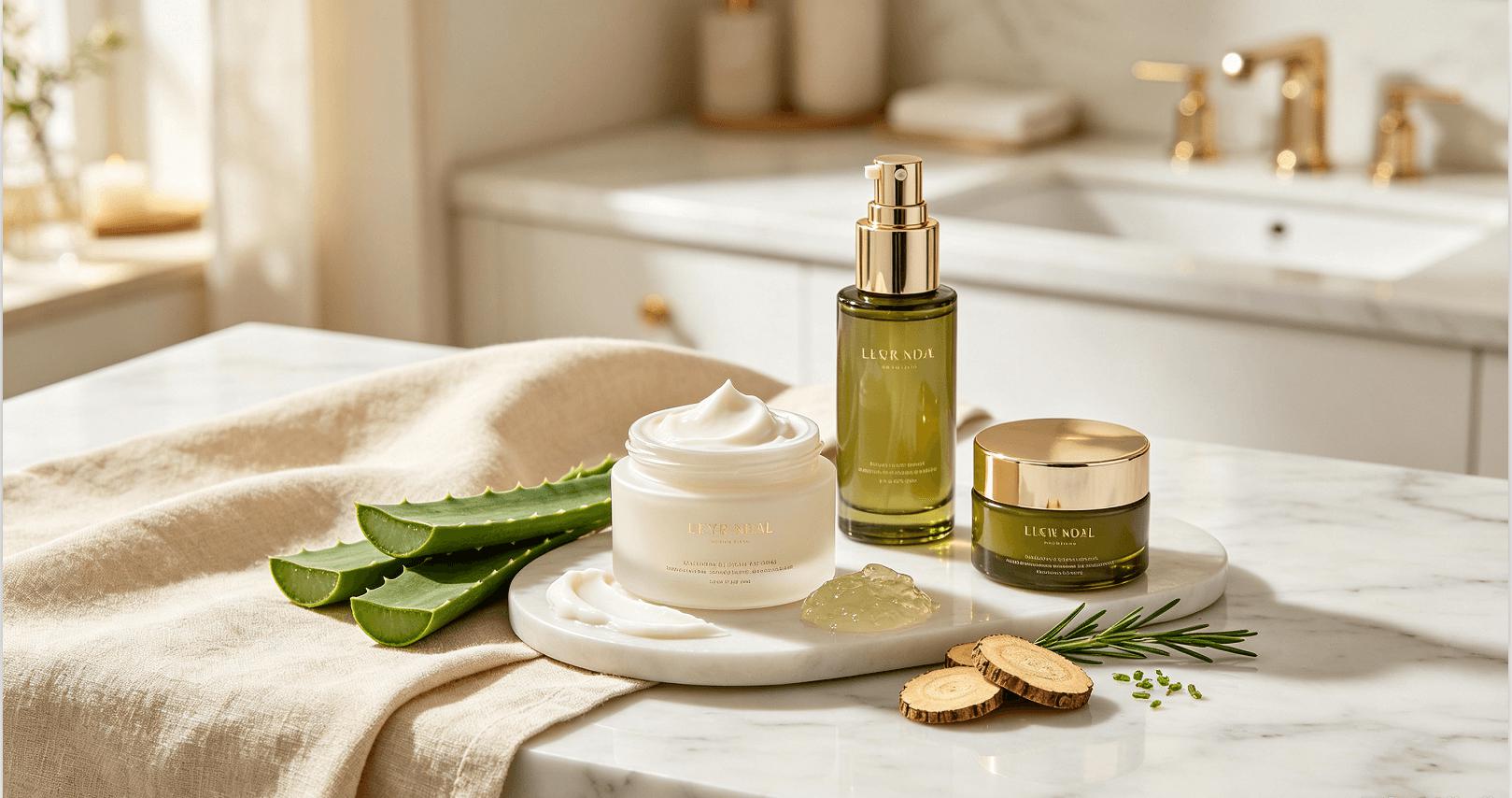
Botanical Extracts for Cosmetic
Botanical active powders used in skin care, anti-aging, and natural cosmetic formulations, delivering proven efficacy for global beauty brands.
Explore More
Botanical Extracts for Health Supplement
Standardized herbal extracts for dietary supplements, immunity support, and wellness products backed by comprehensive laboratory analysis.
Explore More
Botanical Extracts for Animal Health
Natural feed additives to enhance animal nutrition, immunity, growth, and performance as a sustainable alternative for modern livestock.
Explore More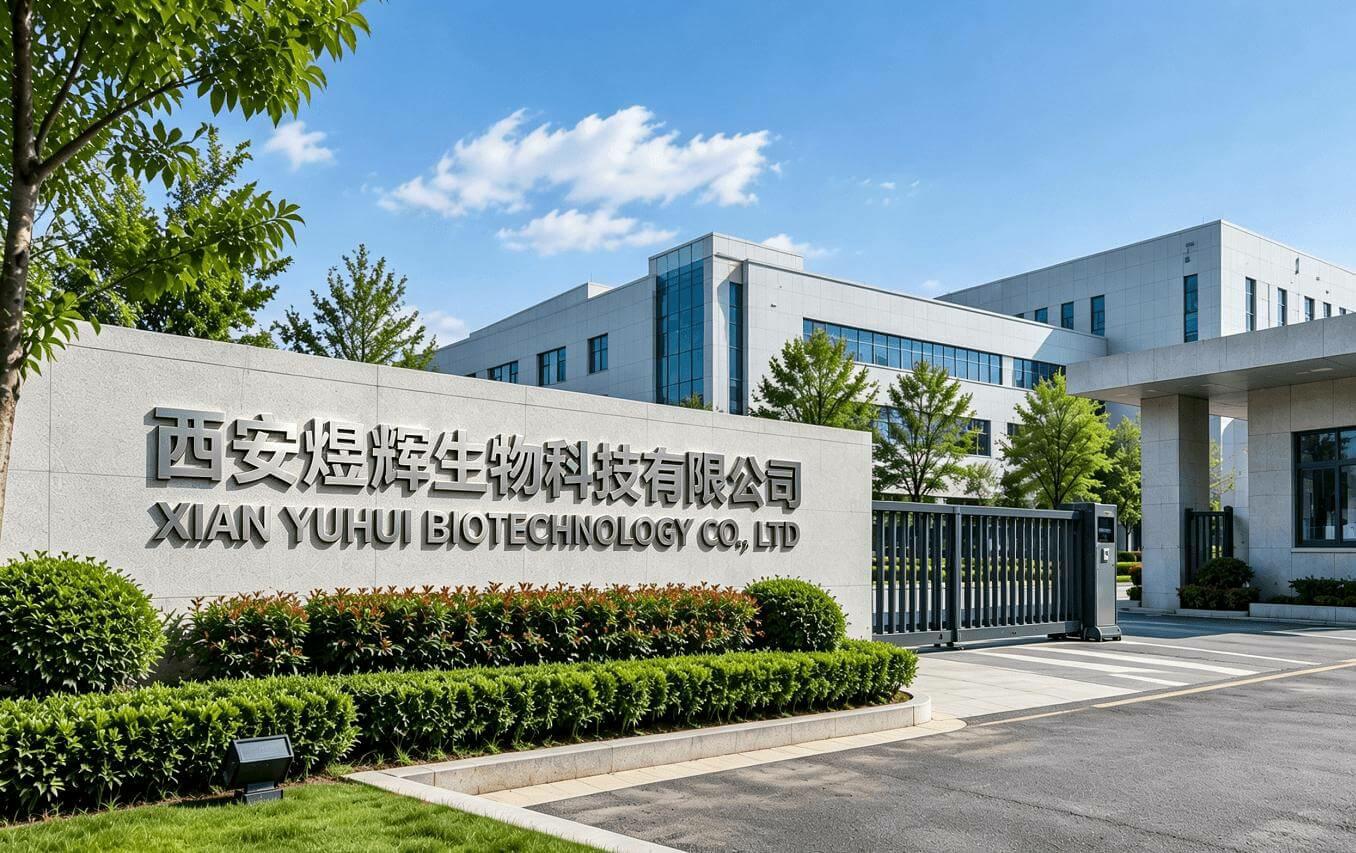
WELCOME TO XIAN YUHUI BIOTECHNOLOGY — Botanical extracts manufacturer and supplier from China
Driven by scientific expertise, we provide premium botanical extracts and natural ingredients worldwide. Backed by advanced extraction technologies, strict quality control, and rigorous R&D, we serve global clients in the pharmaceutical, cosmetic, food, and feed industries.
Located in Xi'an, China, our company integrates raw material excellence from prime regions with state-of-the-art processing. Whether you need custom formulations or bulk supply, our experienced team ensures reliability, compliance, and top-tier support.
Learn More🛡️ Quality Assurance
Professional botanical extract manufacturing backed by strict purity standards, advanced chromatography, and complete quality traceability.
📦 Wide Range of Products
Extensive selection of herbal extracts, active ingredients, essential oils, and feed additives tailored for global industries.
🔬 Expertise
Dedicated R&D team with deep insight into botanical chemistry, extraction dynamics, and international market regulations.
🤝 Excellent Customer Service
Responsive communication, tailored sample support, and reliable logistics to ensure seamless global delivery.
The curcumin and herbal extracts provided by Xi'an Yuhui exceeded our expectations in purity and consistency. Outstanding partner for our supplement brand.
Reliable communication and fast sample delivery. Their tea polyphenols have become a core ingredient in our functional beverage line.
Top-tier cosmetic grade botanical powders. The documentation and COA support made our import process completely hassle-free.
Exceptional animal health feed additives. Our clients report noticeable performance improvements in livestock nutrition.